Dancing Drums Volatility Explained: Medium Variance, Real Session Impact
All three Dancing Drums variants sit in the medium volatility tier, which shapes how often you win, how deep losing streaks run, and how much bankroll you realistically need per session. Understanding Dancing Drums volatility before you spin helps you set expectations and avoid the frustration of misreading a cold streak as a broken game.
What Does Medium Volatility Actually Mean?
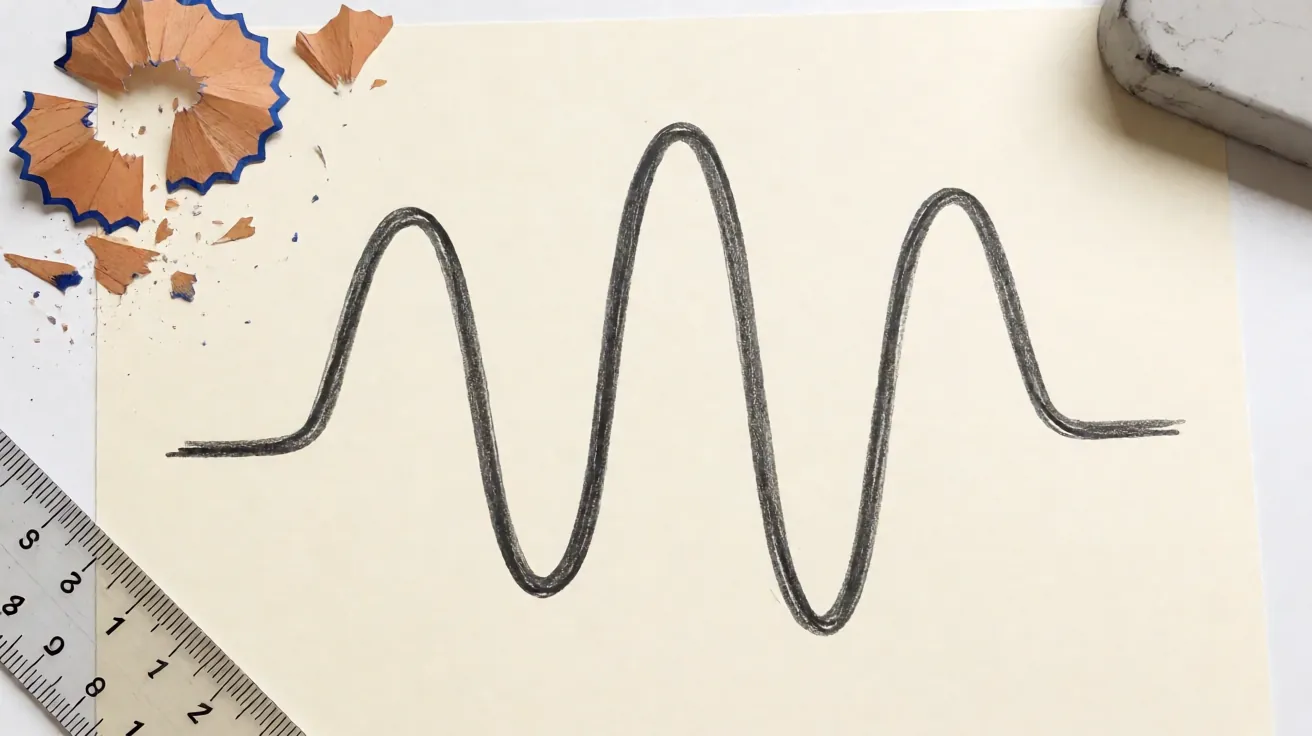
Volatility — sometimes called variance — describes how a slot distributes its payouts over time. A low-volatility game pays small amounts often; a high-volatility game withholds most of its math for rare, large hits. Medium volatility sits in between: a mix of modest frequent wins and occasional larger payouts, with losing streaks that are noticeable but not punishing over a reasonable session.
For Dancing Drums, that medium profile means you will see the reels reward you regularly enough to stay engaged, but the game is not handing out steady, predictable returns spin after spin. You can go 20 or 30 spins without a meaningful hit, then land a bonus round that swings the session positive.
Dancing Drums Volatility Compared Across All Three Variants
The three main variants share the same volatility classification, but their RTPs and win potential differ meaningfully. That combination — same risk level, different return ceilings — changes how each one feels in a real session.
| Variant | Volatility | Published RTP | Max Win (excl. progressives) | Max Ways to Win |
|---|---|---|---|---|
| Dancing Drums (Original) | Medium | 96.06% | $250,000 | 7,776 |
| Dancing Drums Explosion | Medium | 96% | 2,840× bet | 32,000+ |
| Dancing Drums Prosperity | Medium | 94% | Up to 7,776 ways | 7,776 |
Prosperity deserves a specific callout: its 94% RTP is meaningfully lower than the other two. Same volatility class, but the house keeps more over the long run. Check our full Dancing Drums RTP comparison if you want the numbers in detail before choosing a variant.
How Medium Variance Affects Your Bankroll
A medium-volatility slot is forgiving enough for moderate session lengths but still capable of putting together a losing run that drains a thin bankroll fast. As a practical example: if you are playing Dancing Drums Explosion at its minimum $0.18 bet, a 30-spin cold streak costs $5.40 — manageable. At the $88 top bet, that same streak is $2,640. The math of volatility scales with stake size.
Our Dancing Drums slot strategy guide covers specific bet-sizing approaches for different bankroll depths, but the core principle is straightforward: at medium volatility, give yourself enough spins to let the bonus rounds arrive. Cutting a session short after 15 losing spins is often leaving the variance cycle before it completes.
Losing Streaks Are Part of the Design, Not a Malfunction
One common misread we see in player forums: interpreting a cold stretch as evidence that a specific machine is "due" or broken. Dancing Drums is an RNG-driven game. Each spin is independent. A sequence of 40 non-paying spins is within the normal distribution for a medium-volatility slot and carries no prediction power about the next spin.
The Free Spins bonus — triggered by landing three or more drum scatter symbols on consecutive reels from the left — is where most of the session variance resolves. When Explosion's grid expands to 32,000+ ways, a single bonus round can swing a negative session to a positive one. That boom-and-bust cycle within a generally balanced game is the definition of medium variance. For more on triggering it, see our free Dancing Drums slots bonus round guide.
Where to Play for Real Money
Real-money online slots including Dancing Drums are legal in New Jersey, Pennsylvania, Michigan, and West Virginia. Licensed platforms like BetMGM Casino and Tropicana NJ (Caesars) carry these titles. Players in other states are limited to free social-casino versions, which carry no real cash value. For a broader look at platforms, see our Dancing Drums slots casino reviews.
Must be 21+. Gambling problem? Call 1-800-GAMBLER or visit the National Council on Problem Gambling for resources.
For a full breakdown of how to apply volatility knowledge to actual play decisions — including when to walk away and what bet size suits your session goal — read our Dancing Drums slot machine tips page.
Disclosure: Dancing Drums Hub may earn a commission if you open an account through links on this page. That never changes our ratings or the facts we report.